|
| cdc.gov |
Could we see chikungunya outbreaks in the United States? According to
a modeling study by Ruiz-Moreno and colleagues the answer is yes.
Chikungunya is a viral illness carried by mosquitoes that was first isolated in Tanzania in the 1950s. The
name derives from the Kimakonde language and means "to become contorted." Profound joint pain leads to a 'stooped over' appearance, thus the name.
Symptoms of acute infection are nonspecific and are similar to
dengue, with fever, headache, nausea, muscle and joint pains and fatigue. Peculiar to this virus, some people can have longstanding joint pain that can last for months, even years. There is no vaccine to prevent this illness and no treatment (other than supportive care).
 |
| Global spread of chikungunya virus, 2005-2009 (cdc.gov) |
Chikungunya is endemic in Southeast Asia and Africa.
In recent years the disease has "emerged" from these areas; in 2005 we saw outbreaks on islands in the Indian Ocean (following an outbreak in Kenya in 2004), with subsequent spread across India. A related
outbreak occurred in Italy in 2007, as well.
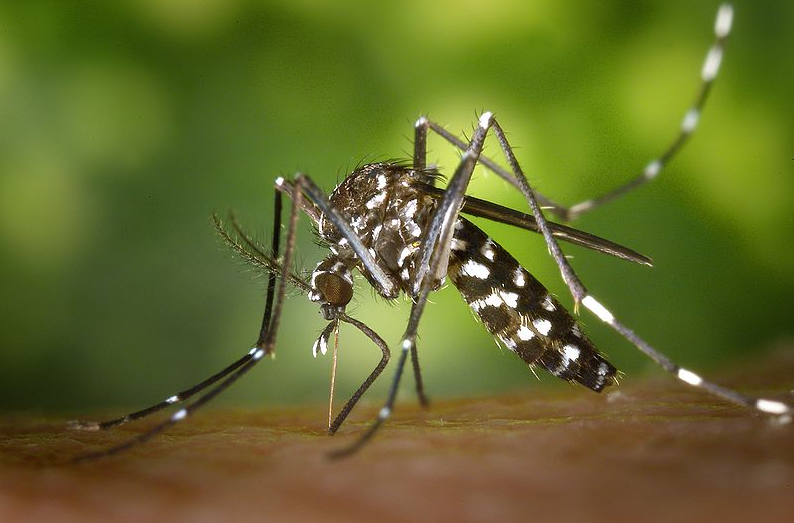
The mosquitoes that transmit chikungunya (
Aedes albopictus, or the "Asian tiger" mosquito and
Aedes aegypti) are both present in the United States. If a returning traveler has chikungunya virus in their blood and are bitten by one of these mosquitoes, conceivably that mosquito could transmit the virus on to other people.
The
study by Ruiz-Moreno et al, published in
PLOS Neglected Tropical Diseases in November, utilized computer modeling to assess if a single returning traveler infected with chikungunya could cause sustained transmission in the United States.
 |
Aedes albopictus (the "Asian tiger") mosquito, one of the
vectors for chikungunya (cdc.gov) |
This study revealed that cities with marked seasonal temperature variation (such as New York and Atlanta) have potential for periodic chikungunya outbreaks. In these areas epidemics could occur during the periods in time the mosquitoes are most likely to breed (warmer times of the year). Cities with less seasonal temperature variations (such as Miami) with higher mean temperatures have the potential for sustained epidemics.
Chikungunya is a serious viral illness with the potential for significant morbidity. Since it was first discovered in the 1950s it has "emerged" dramatically, with considerable additional expansion over this past decade. The
study by Ruiz-Moreno and colleagues confirms that epidemic potential exists in the United States. The medical and public health communities need to be aware of this potential and vigilant in monitoring for chikungunya cases.